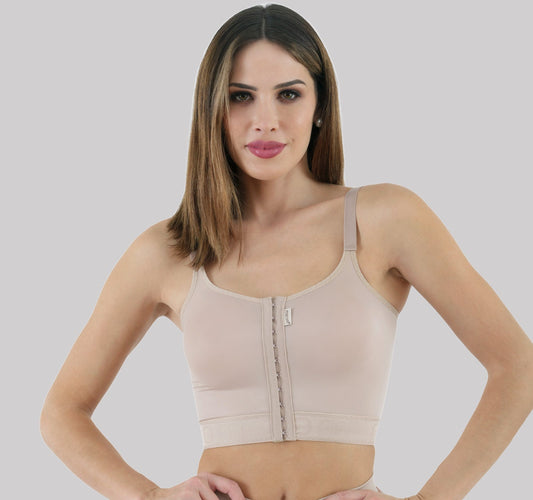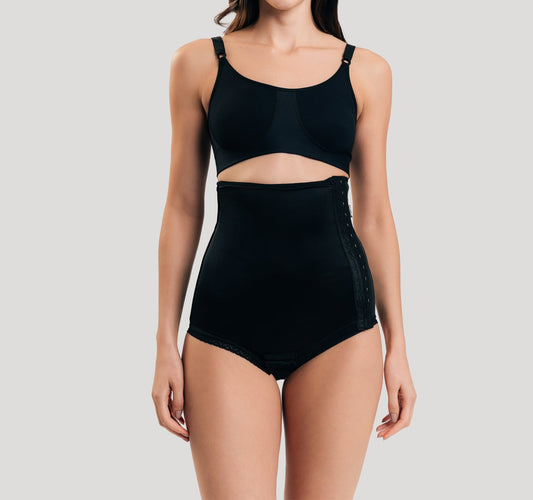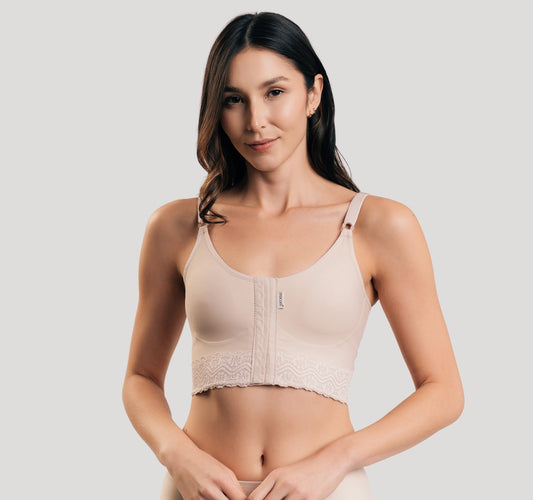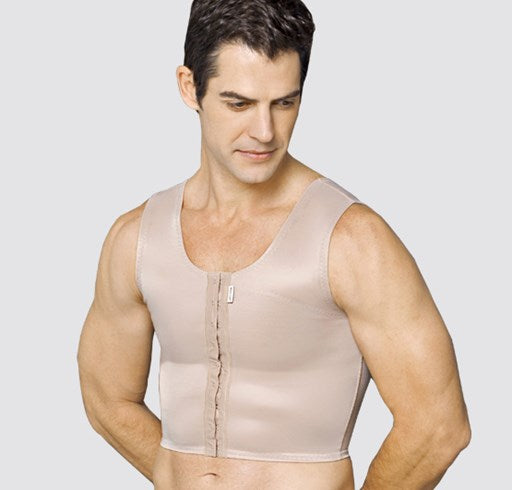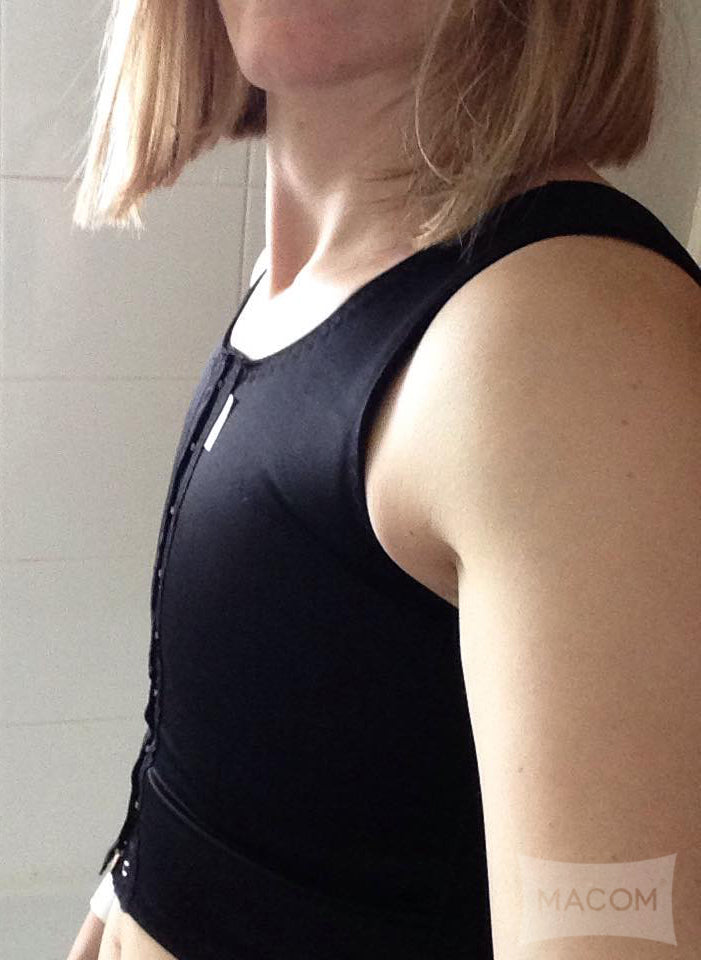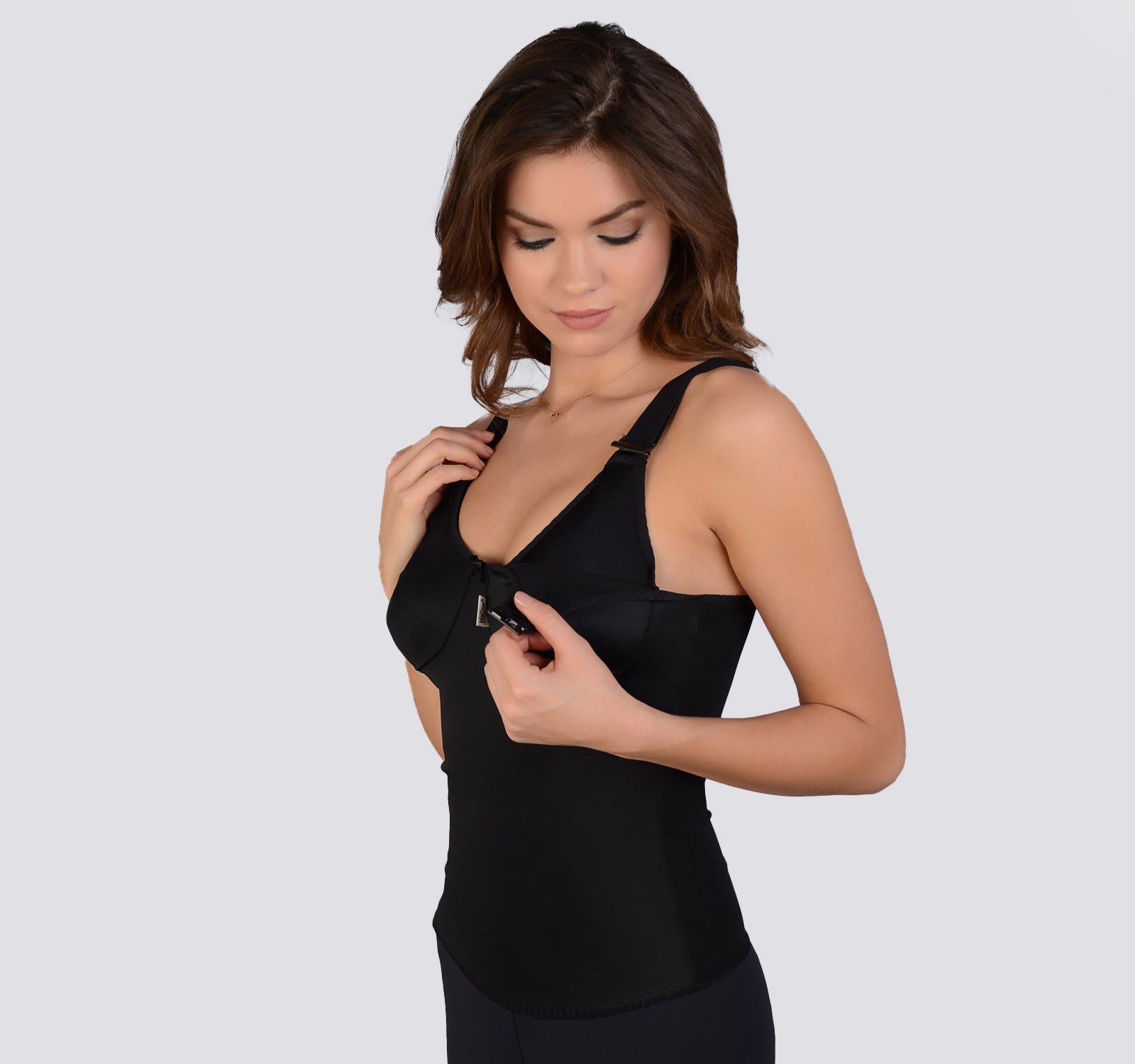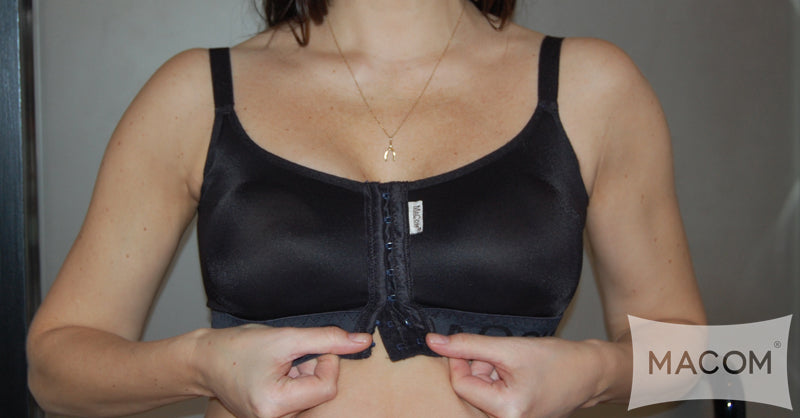

After a tummy tuck, you'll typically need to wear an abdominoplasty compression garment for several weeks to support your abdomen as it heals. For many patients, this means wearing a garment day and night during the early stages of recovery, before gradually reducing how often it's worn.
However, how long you need to wear a tummy tuck compression garment depends on your recovery, the type of surgery you've had and your surgeon's recommendations.
In this guide, we'll explain the different stages of recovery, how many hours a day you may need compression and when you can expect to stop wearing it.
Tummy Tuck Recovery Timeline
Tummy tuck surgery, also known as abdominoplasty, involves removing excess skin and sometimes tightening the abdominal muscles. Following surgery, your body needs time to heal and swelling needs to settle.
Post surgical compression garments provide consistent pressure around the treated area. However, the compression level, type of garment and wearing time will change as your recovery progresses.
Recovery is commonly discussed in two stages, with Stage 1 involving firmer compression and Stage 2 offering lighter support as healing progresses.
The following timelines are intended as general guidance only. Everyone's recovery journey is different, and your surgeon's advice should always take priority when deciding how long to wear your compression garment.
Immediately After Surgery and the First Week
The first week marks the beginning of Stage 1 tummy tuck recovery, when swelling and tenderness are often most noticeable. Stage 1 compression garments provide firm, targeted support to help manage swelling and support healing tissues.
Depending on your surgeon's advice, you may wear an abdominal binder, compression girdle or another post surgical garment. Abdominal binders are adjustable wraps that provide focused support around your stomach. Compression girdles offer more structured coverage and may be useful if you've had liposuction alongside your tummy tuck.
Many surgeons recommend wearing your compression garment 24 hours a day, seven days a week, including while sleeping, removing it only for washing and showering when permitted. Your garment should provide consistent support without restricting breathing or irritating your incision.
We recommend having at least two tummy tuck compression garments ready before surgery, so you can wear one while the other is being washed and dried. Regularly changing your garment helps maintain hygiene and comfort.
Weeks 2–6: Continuing Stage 1 Recovery
During weeks two to six, many patients continue wearing their Stage 1 compression garments day and night. Studies have found that around 1 month of compression support, followed by a reduction in wear, helped with patient comfort and overall happiness with their results.
You may be able to remove your garment briefly for showering and washing, provided your surgeon has cleared you to do so. As swelling gradually reduces, your garment might feel looser. It's important that your compression garment continues to fit correctly, providing even support without digging into your skin. Avoid choosing a smaller size simply to achieve stronger compression. Excessive pressure can cause discomfort and potentially interfere with circulation.
Towards the end of this period, your surgeon will assess your recovery and advise if you're ready to move into Stage 2, which typically involves lighter compression or reduced wearing time.
Weeks 7–10: Stage 2 Recovery
Stage 2 may begin around week seven, once your surgeon is satisfied with your healing progress. By this point, much of the initial swelling may have settled, although some swelling can continue for several months.
You may no longer need firm compression. Instead, lighter, more flexible Stage 2 compression garments can provide support and comfort as you return to your usual activities. Your surgeon may recommend switching to a Stage 2 garment, wearing your existing garment for fewer hours each day or stopping compression altogether.
Some patients gradually reduce their wearing time, perhaps wearing a lighter garment during the day before eventually stopping. For those who continue wearing compression, this stage may last another two to four weeks, typically ending between weeks eight and ten.
Beyond Stage 2: After Week 10
By the end of week ten, many patients will no longer need post surgical compression, although individual recovery times vary. Some patients still enjoy abdominal support, particularly when returning to exercise or spending longer periods on their feet.
Light compression garments or supportive shapewear can be worn for comfort, but they aren't generally necessary for healing once your surgeon has cleared you to stop. Don't stop wearing your compression garment simply because you've reached a particular week. Your surgeon should confirm when your abdomen has recovered sufficiently.
Why Is Wearing a Tummy Tuck Compression Garment Important?
Wearing your tummy tuck compression garment for the recommended period can help you feel more comfortable and supported throughout recovery.
Helps Reduce Swelling
Swelling is a normal response to surgery. Compression applies consistent pressure to the treated area, which can help manage postoperative swelling and discomfort.
May Help Manage Fluid Build-Up
After a tummy tuck, fluid can sometimes collect beneath the skin, forming a pocket known as a seroma. Compression may help manage fluid accumulation, although evidence that garments prevent seromas is limited. Wearing a garment doesn't eliminate this risk, so follow-up appointments remain important.
Supports Healing Tissues
A tummy tuck can involve significant changes to the skin, underlying tissues and abdominal muscles. A well-fitting compression garment provides external support, which may reduce pulling or movement around sensitive areas as you recover.
Improves Comfort and Movement
Many patients find that compression provides a reassuring feeling of stability when standing, walking or moving around. This additional support may make gentle everyday movement more comfortable during the early weeks.
May Help With Scar Comfort
Compression can support the surrounding tissues and reduce movement around your incision. However, there is limited evidence that routine tummy tuck compression garments directly minimise scar formation. Your surgeon may recommend separate scar treatments once your incision has healed.
Choosing the Right Tummy Tuck Compression Garment
Your garment should provide the appropriate support for your recovery stage while remaining comfortable enough for extended wear. Look for breathable materials, comfortable fastenings and targeted abdominal compression without unnecessary pressure on your incision.
Adjustable abdominal binders can accommodate changing swelling, while compression girdles may offer more comprehensive support across the abdomen and waist. If you're unsure which option is best, read our guide to choosing the right tummy tuck compression garment.
Always discuss your garment choice with your surgeon. If your garment causes increasing pain, numbness or skin damage, contact your surgical team.
Find Tummy Tuck Compression Garments for Your Recovery
macom® post surgical compression garments are designed to provide targeted support and comfort during tummy tuck recovery. From adjustable abdominal binders to supportive compression girdles, our collection includes options suited to different recovery needs and stages.
Explore our tummy tuck compression garments to find the right support for your recovery, and speak to your surgeon about the most suitable garment and wearing schedule for you.
References
- Tummy tuck (abdominoplasty) - NHS
- Is Longer Better? Revisiting Compression Duration After Abdominoplasty with Diastasis Repair - PubMed