
Liposuction can be a confidence boosting step, but the procedure is only half the story. The other half is recovery: swelling that changes by the hour, tender movement and the practical reality of getting dressed when you feel bruised and puffy.
In this guide, we will explain what recovery normally involves, how long it tends to take, what to wear to support healing and which warning signs need medical advice. This is general information, not personalised medical care, so make sure to follow your surgeon’s instructions first.
What Does Liposuction Recovery Involve?
Liposuction is a body contouring procedure that removes fat from under the skin using a thin tube called a cannula. Your surgeon moves the cannula through the treatment area, and your body responds with inflammation while it repairs the tissue.
That inflammation is why you can expect swelling, bruising, tightness and tenderness. You might also notice numbness or tingling as nerves settle. Small incisions can leak a little fluid in the first days, and some people have temporary drains (small tubes that remove fluid) for larger treatment areas.
From our experience, the biggest difference between a smoother recovery and a frustrating one is preparation. If you treat recovery like a simple routine, you spend less time guessing and more time healing.
How Long Is Recovery After Liposuction?
Recovery time varies, but most people can return to light daily activity within days, and to desk work in a few days to around two weeks, depending on the extent of surgery. Exercise and ‘normal’ energy usually take several weeks, and swelling can take weeks to months to fully settle.
If you remember one thing, make it this: your body improves in stages, not all at once. You will have days that feel surprisingly good, followed by a day where swelling reminds you that your body is healing and needs time to rest.
Liposuction Recovery Timeline
The timeline below is a sensible baseline, but your surgeon’s plan can differ based on the area treated and the technique used.
Immediate Recovery (First Few Days or Week)
In the first days, soreness and swelling are normal, and tiredness can be stronger than you expected. Plan to rest, take prescribed pain relief so you can move comfortably, and start gently walking around your home as soon as you are able. Light movement supports circulation and can reduce the risk of complications.
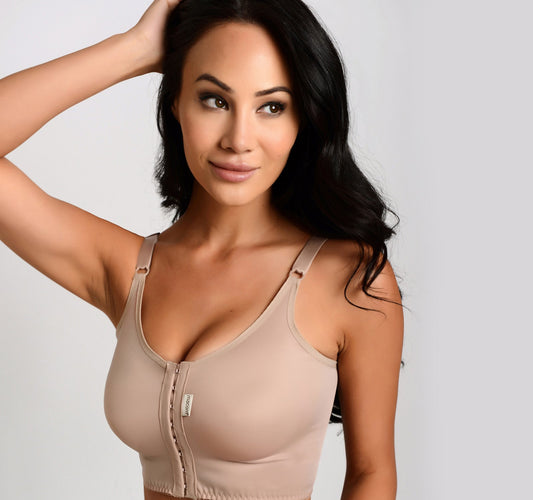
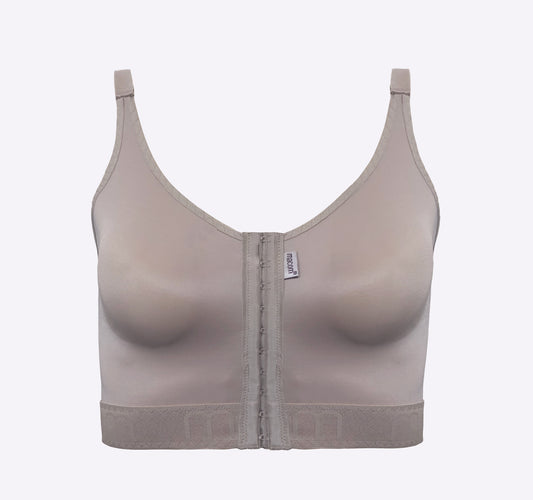
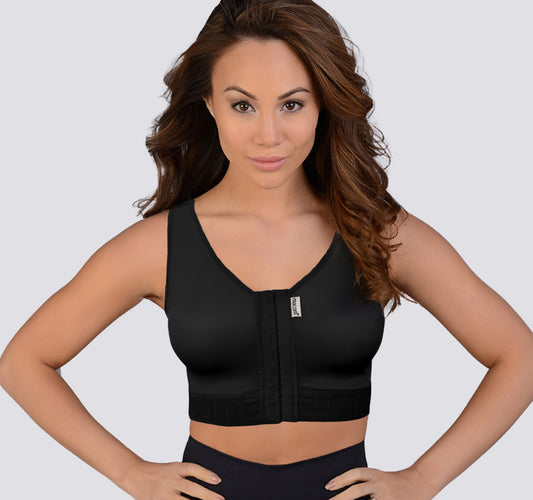
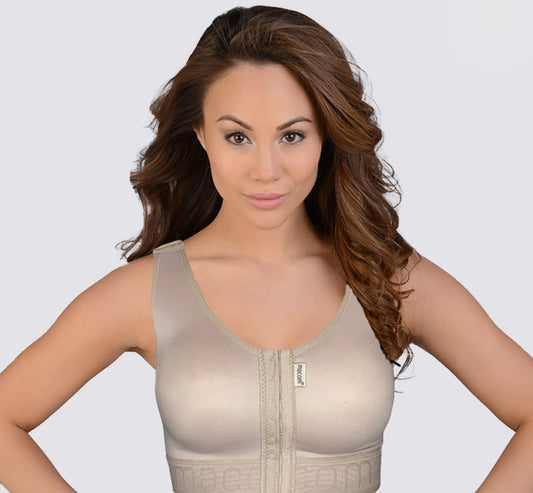
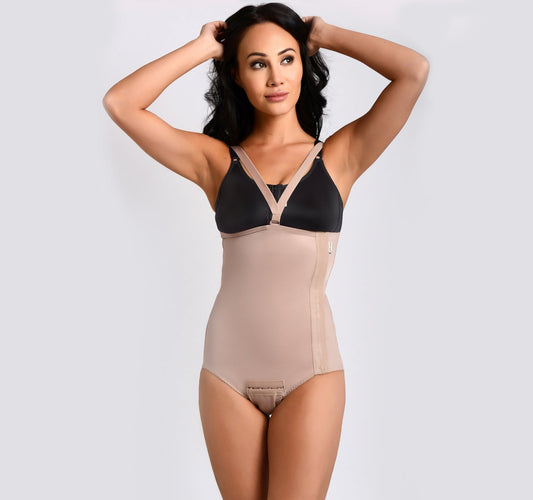
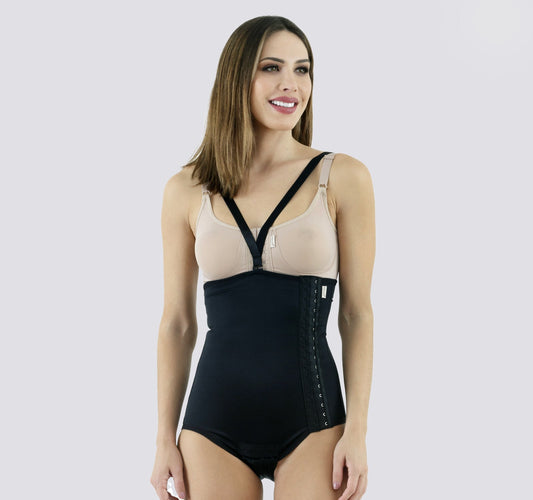
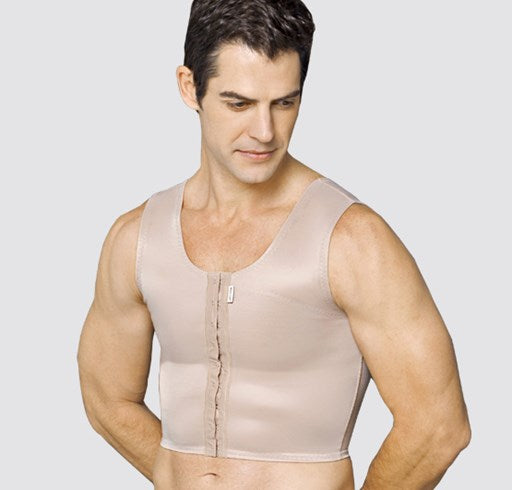
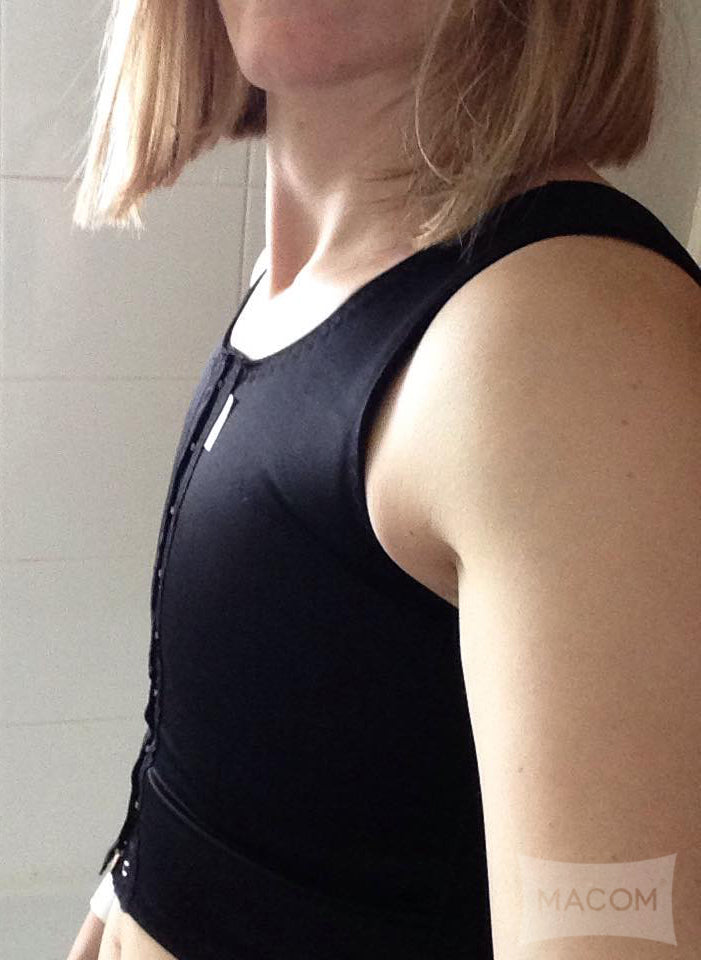
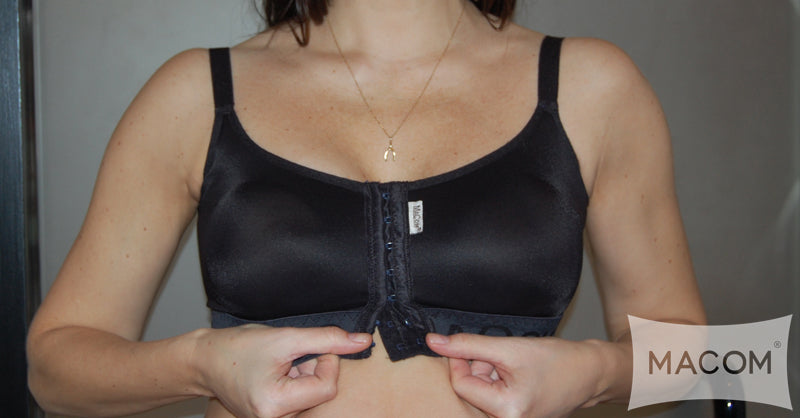
You will usually be advised to wear some form of post liposuction surgery compression garment straight away. Its job is to support the tissues while swelling builds and then starts to reduce.
Weeks 1 to 4 (Initial Healing)
Bruising often fades during this phase, but swelling can linger and shift around. It is common to feel firm patches or little lumps, particularly where swelling pools. Keep activity gentle and consistent. Walking is ideal. Heavy lifting and intense exercise should wait until you are cleared.
Many surgeons advise wearing compression garments day and night for the first two to four weeks, removing it for washing and bathing only.
Weeks 4 to 6 and Beyond (Longer-Term Healing)
By week four, a lot of people feel more ‘normal’ in day to day life, but healing is still ongoing under the skin. Swelling continues to reduce slowly, and the contour refines over time. It can take weeks to months for swelling to go down and final results to show.
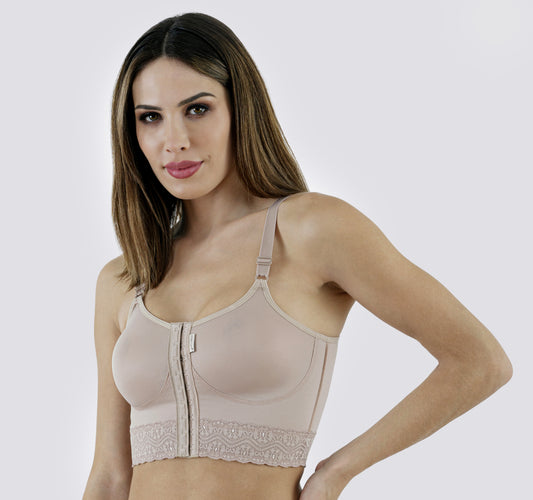
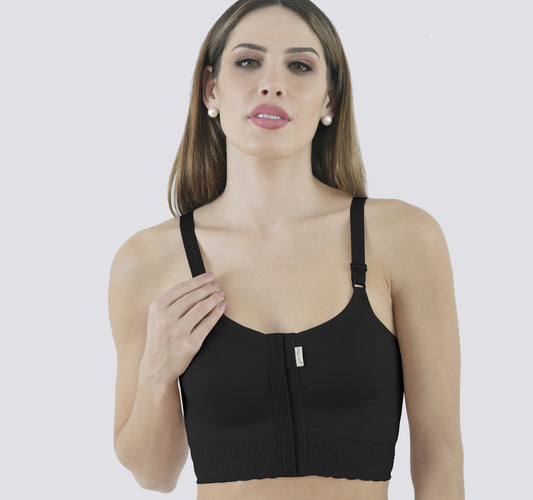
This is also when some people move to a lighter, more flexible garment for support while they return to normal movement. We typically describe this as transitioning from a firmer stage 1 garment to a stage 2 garment after the initial recovery phase.
Liposuction Recovery Tips

Hydration
Hydration supports circulation and helps your body move fluid through the lymphatic system. The lymphatic system is your body’s drainage network that shifts excess fluid away from tissues. When you are dehydrated, swelling often feels heavier and you may feel more tired.
Keep it simple: sip water regularly, include soups and fruit if your appetite is low, and avoid alcohol early on as it can worsen swelling and disrupt sleep.
Patience
You are healing, not training for a marathon. Pacing is your superpower.
From our experience, the people who recover best build a gentle rhythm: short walks, regular meals, plenty of sleep, and no big ‘catch up’ days. If you do more than usual, expect more swelling that evening. That is normal.
Compression Garments
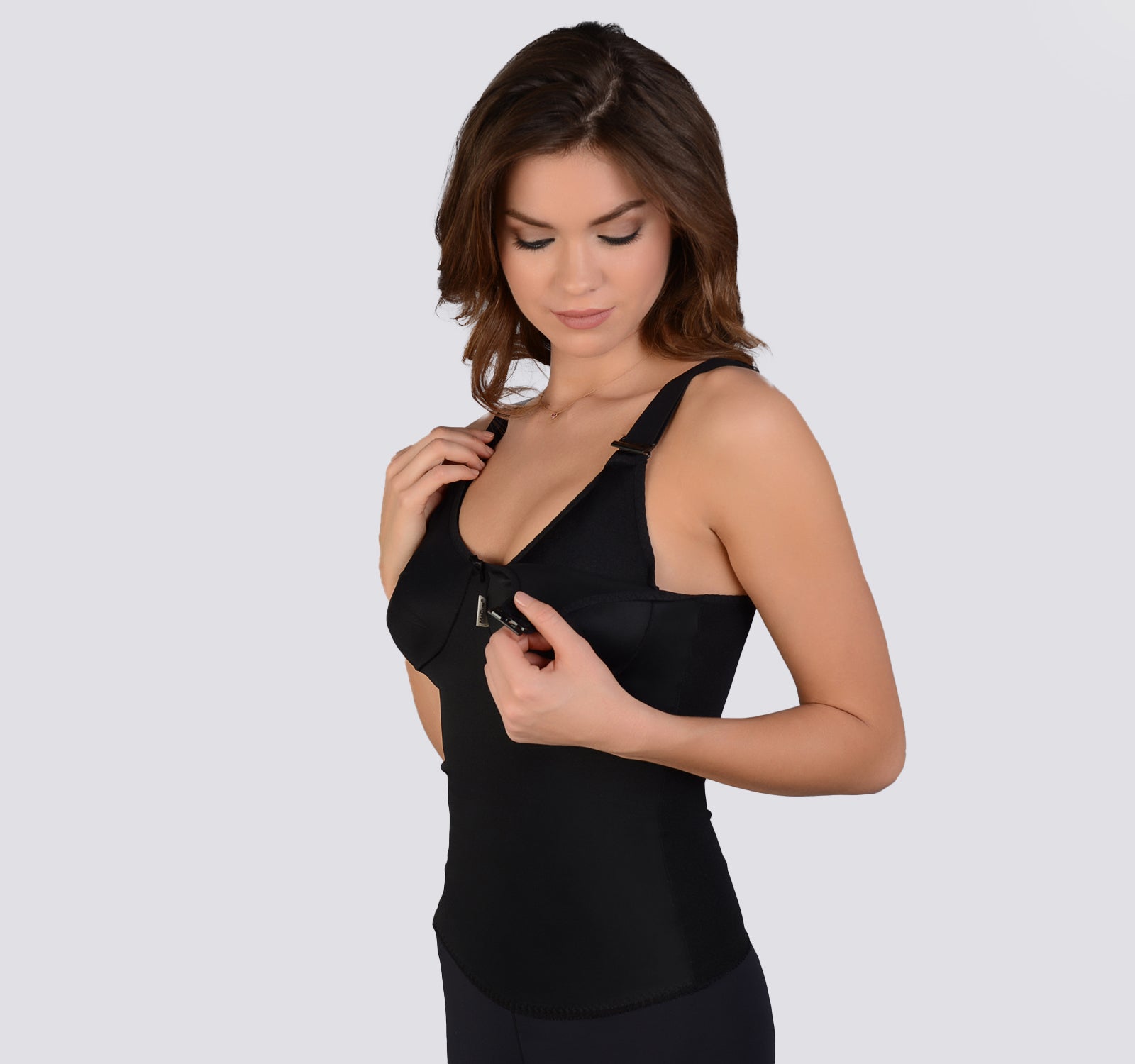
A compression garment is a medical grade support layer that applies gentle, even pressure to the treated area. It helps reduce swelling, supports comfort and encourages tissues to settle smoothly.
Fit matters more than brute tightness. Your garment should feel snug and supportive, but it should not cause pain. If it hurts, feels numb, leaves deep marks, or rolls down, stop and speak to your surgeon or post op team. macom® also advises that a garment should never cause discomfort, and that pain is a sign to discontinue use.
Recommended liposuction compression garments

Our post surgery compression garments are designed to support specific parts of your body following liposuction.
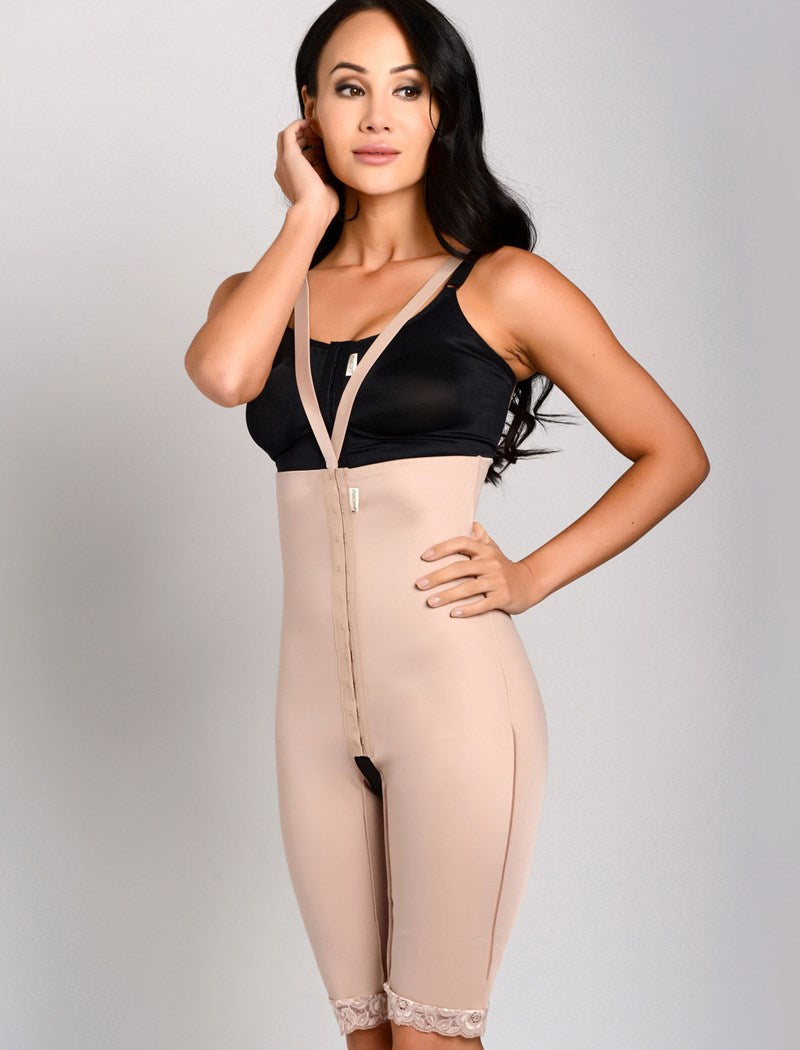
- Girdles: Best for abdomen, waist, hips and sometimes upper thighs. Look for adjustability so you can adapt as swelling reduces.
- Body compression garments: Useful when multiple areas are treated, since one garment can provide even coverage and reduce digging at the edges.
- Compression with inserts: Inserts are soft foam pads worn under the garment to distribute pressure more evenly. Some surgeons use them to help smooth the surface and support quicker settling.
A very practical tip: own two of each post surgery garment you plan to use. One can be worn while the other is washed and air dried, which matters when you are wearing compression most of the day, every day.
Liposuction Aftercare
Aftercare is your day-to-day routine. It keeps incision sites protected and helps your body do its job.
Keep incision sites clean and dry as instructed. Avoid applying creams or oils to fresh wounds unless your surgeon has told you to. Take prescribed medication exactly as advised, and check before adding over the counter products.
Aim for gentle movement throughout the day, not one long walk. If you are sitting for long periods, stand up regularly and take a short stroll around your home.
Issues To Watch Out For Post Liposuction
Some discomfort is expected. Some symptoms need urgent attention.
Contact your surgeon or seek urgent medical advice if you have:
- Increasing redness, warmth, swelling, worsening pain, pus or a bad smell from an incision site
- A high temperature, chills or feeling unwell in a way that is getting worse
- A new, growing fluid pocket that feels soft and sloshy, which can be a seroma (a collection of clear fluid under the skin)
Get emergency help straight away if you have symptoms that could suggest a blood clot:
- Throbbing pain, swelling, warmth or colour change in one leg
- Chest pain, difficulty breathing or sudden breathlessness
Finally, keep an eye on your skin under compression. If you develop blisters, broken skin or severe irritation, the garment may be the wrong size or the pressure is uneven. This is usually fixable quickly with the right fit and the right layering.
Recover Well With The Right Support
If you plan your recovery, follow your surgeon’s guidance and wear supportive compression garments, the discomfort tends to improve week by week. The goal is not to push through. The goal is to heal well, so your results look and feel right for the long run. If you have any questions about recovery wear, or you want help choosing compression garments and inserts, get in touch with our team for friendly, practical advice. They can help you understand which options fit your procedure and your day to day comfort.