020 7351 0488


A post surgery bra is not just a softer version of your usual bra. It is a recovery garment designed to support healing after breast surgery by providing steady, gentle compression and keeping movement under control while supporting and maintaining healthy tissue. Compression means controlled pressure on the treated area to help manage swelling and support tissue while it settles.
From our experience supporting people after breast augmentation, reduction, lift, reconstruction and other breast procedures, the bra choice is one of the easiest wins in recovery. Get it right and you will often feel more comfortable day to day, optimise your healing journey, sleep better and find it easier to stay consistent with your surgeon’s guidance. Get it wrong and you can end up with rubbing, pressure points, poor support and a constant urge to take it off, which is not a great plan when your body is trying to heal.
Below are common mistakes we see, plus what to choose instead so you can recover with fewer annoyances and more confidence.
Why the right bra matters in recovery

After surgery, your skin and underlying tissue can be sensitive, swollen and prone to irritation. Incisions need a calm environment. A well designed post op bra helps by:
- stabilising the area so sudden movement causes less discomfort
- reducing friction around incision lines
- supporting swelling management through consistent compression
- making it easier to dress, wash and check your skin without a wrestling match
Here are the mistakes that often trip people up.
10 Mistakes To Avoid When Choosing A Post Surgery Bra
1. Choosing a regular bra instead of a post surgery bra
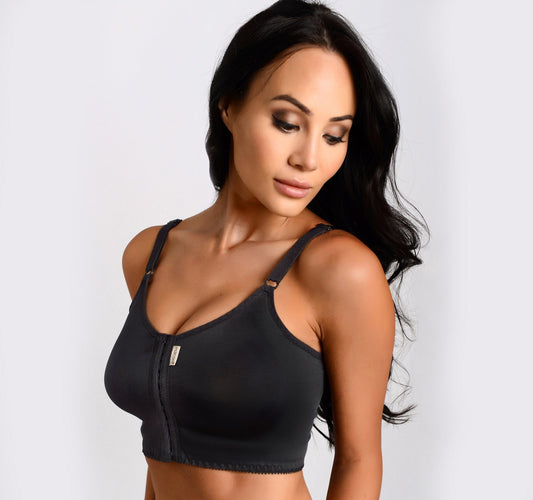
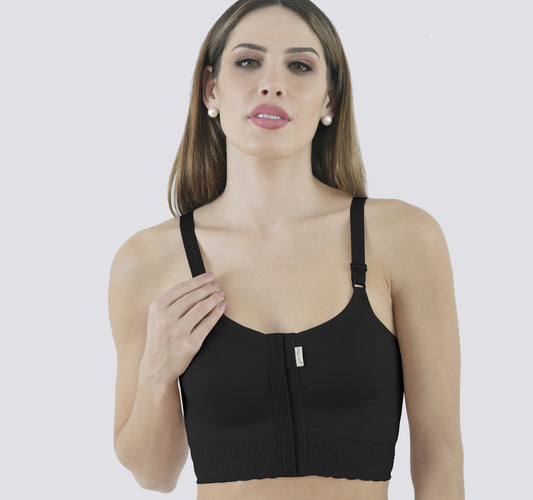
A standard everyday bra is made for shape and lift, not for healing. It often has narrow straps, seams placed for looks rather than comfort, and fastenings that are awkward when your range of motion is limited.
Standard bras can also have endocrine disrupting chemicals used during manufacturing that, when in contact with your skin, can be absorbed and interfere with your post surgery healing. macom® post surgery bras are certified free from these chemicals.
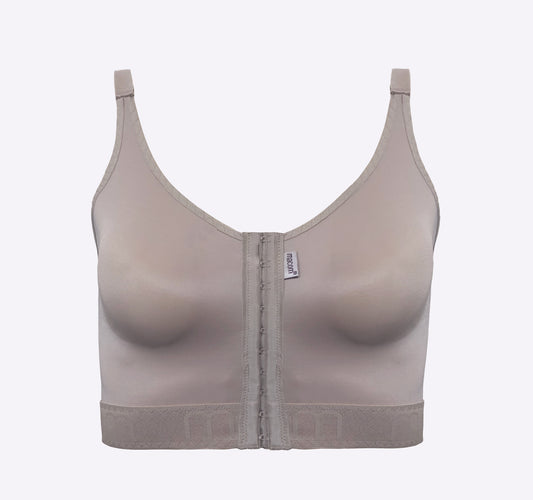
A post surgery bra is built around recovery needs. That typically means a higher centre front for coverage, a more supportive underband that does not dig in, and a construction that stays stable without relying on tight, pinpoint pressure. If your surgical team recommends a post op bra, it is usually for a reason. Treat it like part of your recovery kit, not an optional extra.
2. Not choosing the correct size post surgery bra
One of the most common mistakes is choosing the wrong bra size. A post surgery bra should fit more firmly than an everyday bra because it provides gentle, even compression. Compression is controlled pressure that supports healing and helps manage swelling.
If the size is off, the band can roll, the edges can dig in and support can feel uneven, leaving you uncomfortable and constantly adjusting. Height, torso length and the type of procedure can all affect fit in the early stages, and swelling can change your measurements, so aim for secure support without feeling restrictive.
3. Not getting the right bra style
Style matters as much as size. Different procedures create different support needs, and the way the bra sits on your body can affect comfort, coverage and stability.
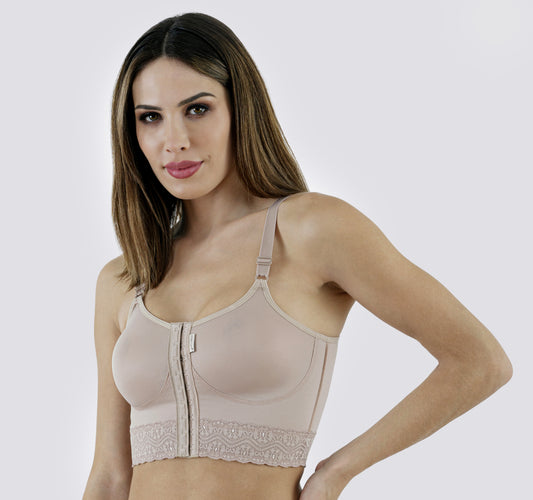
Think about your procedure and choose a bra design that matches it. For example, some people prefer wider straps in the early, sensitive stage for better comfort and less digging.
If you have had implants, an implant stabilising bra with a breast strap can provide extra security and help keep positioning supported. However, you should check with your surgeon when considering implant recovery bra options with bands as implant placement will affect whether a band is the right choice or not. For example, sub-muscular breast implants can typically benefit from an implant stablizing bra with a band, while implants with a sub-glandular placement won't.
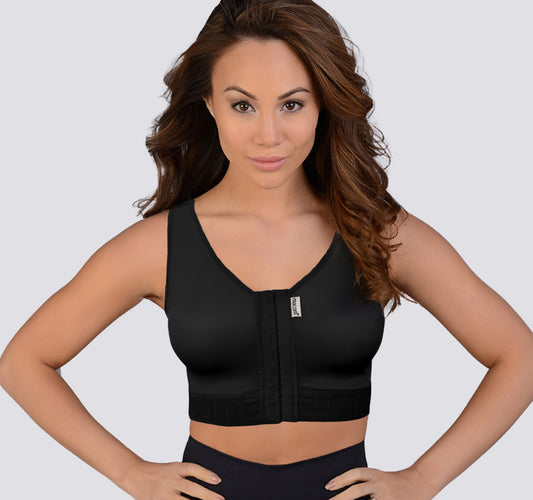
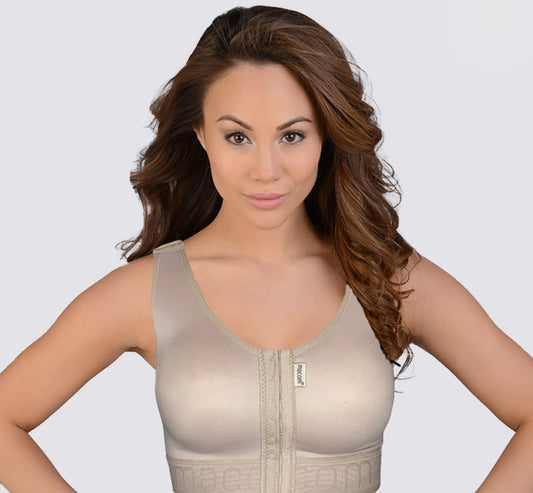
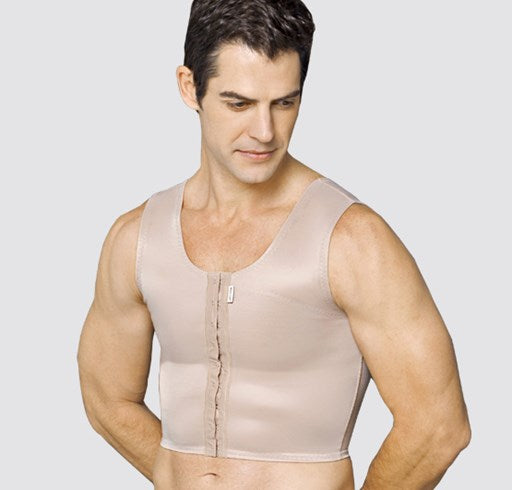
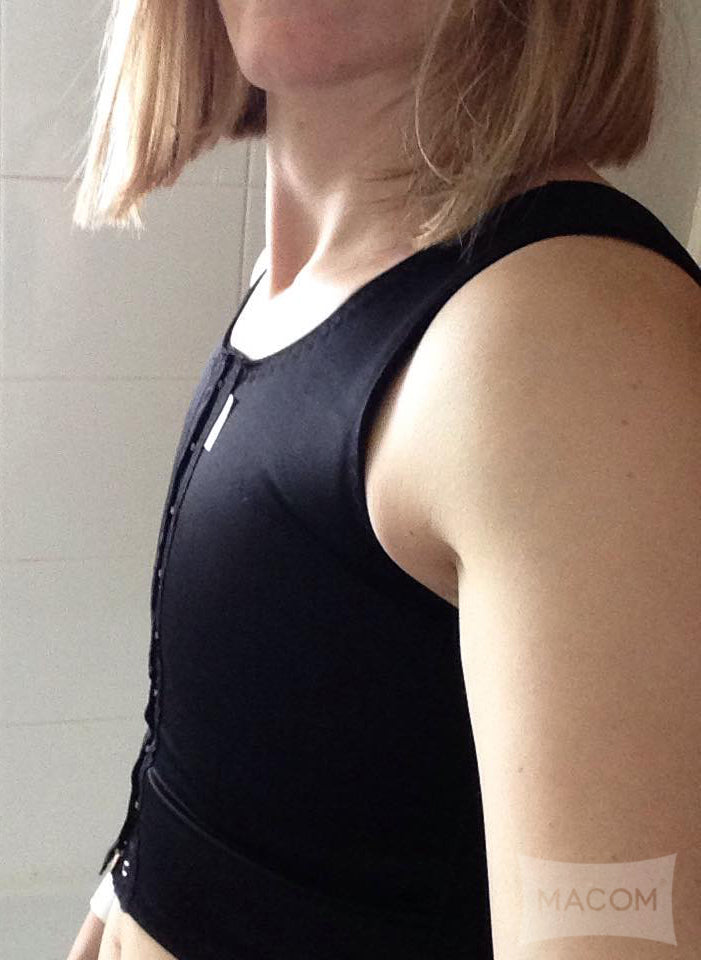
For explant surgery, a more vest-like style can feel more supportive and evenly compressive. After reductions and breast uplift surgery, swelling can be more noticeable across the breasts and sometimes into the upper abdomen, so a style with broader coverage and a stable band can be especially helpful. Explant bras are also designed to fit higher in the armpit area to target the axillary lymph nodes and expedite the healing process.
4. Choosing a bra without accessible fastening
In the first days and weeks after surgery, lifting your arms, twisting your shoulders or pulling a bra over your head can be uncomfortable or not advised. This is where fastening design matters.
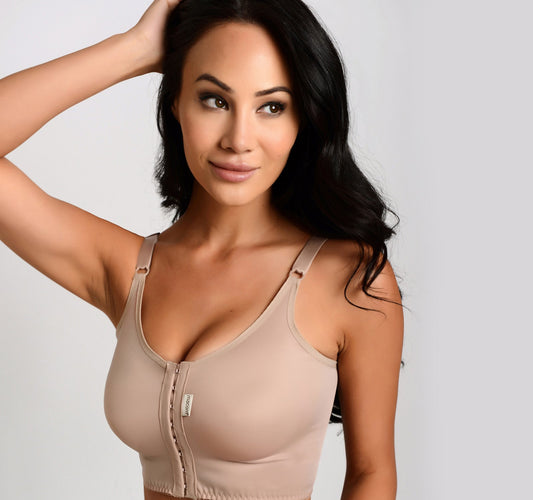
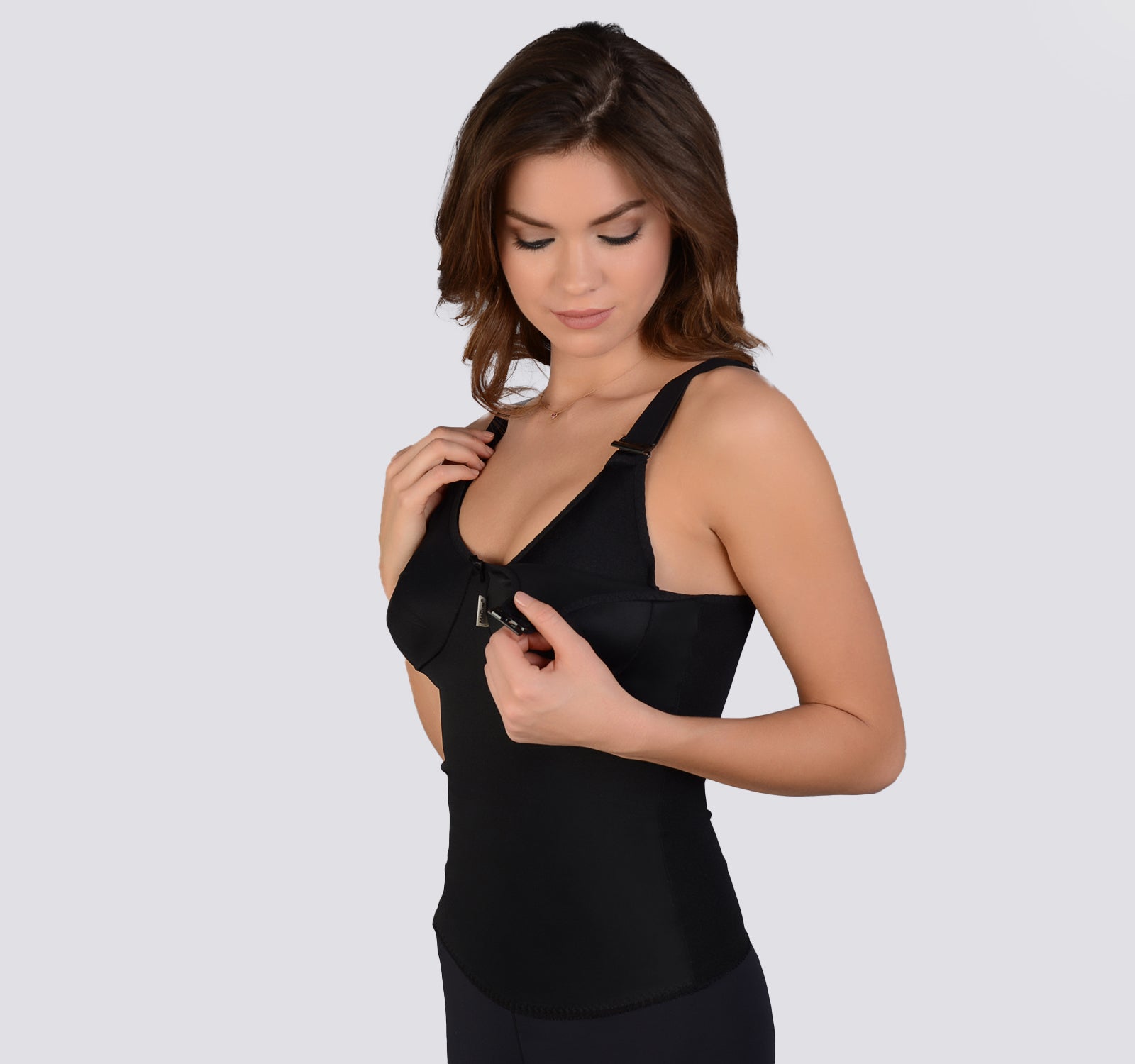
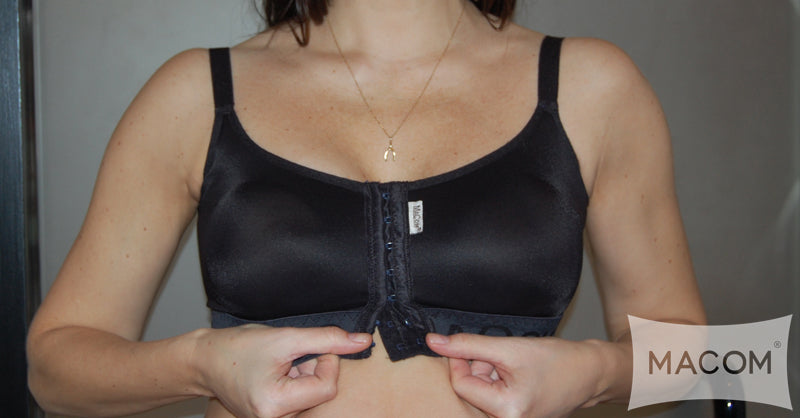
Front fastening is usually the most practical option. It lets you put the bra on and take it off without overreaching, and it makes it easier to adjust the fit if swelling changes during the day. Accessible fastening also helps when you are checking your skin, managing dressings or attending follow up appointments.
When you are tired, sore and trying to be gentle with yourself, a bra that is easy to put on is not a luxury, it is essential.
5. Picking a post surgery bra with underwires
Underwires are a strict no when recovering from breast surgery. Underwires create rigid curved strips that sit under the breast to create lift and shape. They create an unnatural shaped cage around the breast which can interfere with lymph flow and wound healing. After surgery, they can press into tender tissue, irritate swelling and sit too close to incision lines depending on your procedure.
Most post op recommendations avoid underwires early on. A wire can create a hard pressure edge, and recovery needs consistent, gentle support rather than pinpoint shaping. A well designed post surgery bra can provide support through fabric structure, a supportive underband and compression without needing a wire.
If you love having the support of underwires in daily life, consider them a later stage option. Early recovery is not the time to prioritise lift over healing.
6. Picking a bra with narrow shoulder straps
Narrow straps concentrate pressure into a small area. After breast surgery, that can be uncomfortable, especially if you are wearing the bra for many hours a day.
Wider straps spread the load more evenly across your shoulders and upper back. That reduces pressure points and can help prevent digging and strap marks. It also tends to improve stability, which is useful when you are trying to minimise bounce and movement.
A simple test is this: if the straps feel like they are doing all the work, the bra is not supporting you properly through the band and structure.
7. Choosing a bra with inward facing seams
Seams are the stitched joins where fabric panels meet. Inward facing seams sit against your skin. That is often fine in everyday clothing, but post surgery skin can be reactive and incision areas can be especially vulnerable to rubbing.
A post surgery bra should aim to minimise friction. Outward facing seams, or seam placements that avoid high pressure zones, reduce the chance of chafing. Even small irritations can feel big during recovery, and repeated rubbing near an incision line is the last thing you want.
If you are sensitive to textures, pay close attention to the inside finish. Your future self, the one trying to sleep comfortably, will thank you.
8. Only buying one bra
Recovery involves wearing your post surgery bra regularly, sometimes day and night. That involves cycles of wearing, washing and drying. If you only buy one, you will end up stuck with a choice between wearing a damp bra or going without. Neither is ideal.
Having at least two of the same post surgery bras makes recovery simpler:
- one to wear while the other is washed
- a backup if swelling changes and you want a fresh fit
- less wear and tear per bra, which helps them keep their compression longer
It is also worthwhile to consider what you are washing your post surgery bras with. We recommend only using mild and non-bio detergent without strong perfumes, and no fabric conditioner. This is because harsh chemicals often found in detergents and fabric softeners can be absorbed into the skin and cause erythema – a skin condition characterised by red skin and inflammation, and which can lead to rashes, itching and painful areas. The skin is the first barrier for the immune system and needs to be cared for as such.
9. Picking a post op bra with cheap, poor quality materials
Not all ‘post surgery' bras are made for medical recovery. Some are essentially light sports bras with a new label. After surgery, material quality becomes a practical necessity, not a fussy preference.
Look for fabrics that are:
- Medical-grade, meaning the materials are made to a standard suitable for clinical or therapeutic use, with consistency and durability in mind
- Breathable, meaning they allow air and moisture to move through the fabric so sweat does not build up against healing skin
- Hypoallergenic, meaning they are made to reduce the chance of irritation for people with sensitive skin or allergies
Cheap materials can feel scratchy, trap heat and lose their shape quickly. That can lead to rolling edges, uneven pressure and more rubbing around incision sites. In recovery, “a bit itchy” often turns into “I cannot stand wearing this”, which can hamper recovery, so quality pays off in comfort and compliance.
10. Choosing a bra that has not been safety checked
This one is easy to overlook, but it matters. Safety checking means both the materials and the garment design have been tested so they perform as intended for medical use.
Material testing helps confirm the fabric is suitable for prolonged skin contact and maintains its properties, like stretch and breathability, after washing. Design testing helps ensure the bra applies pressure evenly, holds its shape and does not create harmful pressure points.
From our experience, the bras that cause the most frustration are often the ones that look fine out of the packet but behave badly after a few wears. A safety checked garment is far more likely to stay supportive, comfortable and consistent, which is exactly what recovery needs.
Explore our post surgery bras
Choosing the right bra is easier when you match it to your procedure and your recovery plan. We have post surgery garments organised by procedure to help you find options that suit your needs. Alternatively, explore our range of post surgery bras, or read our guide to the best bras for breast surgery recovery.