020 7351 0488


After liposuction, it is normal to miss your exercise routine and ask how soon you can move again. Movement helps recovery but liposuction is still surgery. A thin tube called a cannula (the instrument used to remove fat) passes through the tissues, which triggers swelling, bruising and soreness.
From our experience supporting post-surgery recovery, the fastest way back to normal is steady progress, not fast progress. The right exercises at the right time help swelling settle and keep your results looking smooth. Always follow your surgeon or nurse’s plan first.
Exercise is an important part of recovery
Gentle activity supports circulation and helps your lymphatic system (the network that moves fluid and helps reduce swelling). It can also reduce stiffness and support sleep.
Early on, harder exercise can raise blood pressure, increase swelling and irritate healing tissue under the skin. You can still do exercise after liposuction, but it is best to start with simple movements, not a full workout.
Additionally, there is some evidence that exercising after liposuction can help to prevent an increase in visceral fat.
How long after liposuction can you start exercising?
You can start some exercise immediately after liposuction, meaning gentle walking and light movement. Many patients are encouraged to take short, frequent walks on the day of surgery or the next day.
Most people take around 2 to 3 weeks before they begin a more regular routine, then build towards full training over the following weeks. A useful guide is: week 1 gentle movement, weeks 1 to 3 light activity, weeks 4 to 6 medium activity, week 7 onwards gradual return to full training for many people. Large-volume liposuction, multiple areas treated or combined surgery often needs a slower pace, so take your lead from your clinical team.
What exercises to do after liposuction?
The best exercise after liposuction changes as you heal. Use swelling and discomfort as your ‘speed limit’.
Days 1 to 7: Keep it simple

Walking is the foundation. Aim for little and often rather than one long walk. Add gentle ankle circles and calf pumps if you are resting a lot. Deep breathing can help comfort too.
Stretching can be useful, but keep it mild and avoid positions that tug at the treated area. If your abdomen or flanks were treated, skip deep twists and strong backbends at this stage.
Weeks 1 to 3: Low impact, low pressure

Increase walking time and pace slowly. If you want structure, choose one low-impact option like gentle yoga, beginner Pilates or easy stationary cycling. Keep sessions short. If you swell more later that day, scale back.
Weeks 4 to 6: Build fitness back carefully

Many people can add longer low-impact cardio and begin light strength training in this window, after clearance. Focus on technique, keep loads modest and avoid movements that press directly on sensitive areas.
Week 7 onwards: Return to routine, build up

By week 7 and beyond, many people return to their usual training, still building up rather than jumping straight to full intensity. Healing continues under the skin for weeks, so progress in small steps.
What happens if you exercise too soon after liposuction?
If you exercise too soon after liposuction, the impact is often delayed. Later that day or the next day you may notice more swelling, more tenderness or firmer areas. In some cases, excess movement can contribute to a seroma, which is a pocket of clear fluid under the skin.
Contact your surgical team promptly if you get sudden sharp pain, one-sided swelling that is getting bigger, fever, redness that spreads, or wound leakage.
Lifting Weights After Liposuction
You should avoid lifting weights post liposuction, at least for a few weeks. The timeline will vary depending on your specific procedure. A common pattern is light resistance work around weeks 4 to 6, then a gradual return to heavier lifting from weeks 6 to 8 onwards, after medical clearance. Start at about 25% less than your usual working weight and build over a couple of weeks. Your dumbbells are patient, your swelling is not.
Avoid breath-holding during lifts, because it can spike pressure in your abdomen and chest and may increase swelling and discomfort. If your liposuction involves the abdomen, be cautious with core work and heavy compound lifts at first.
Wearing compression garments while exercising after liposuction
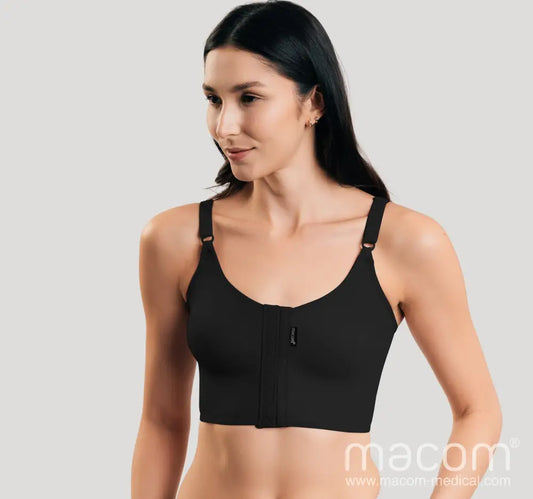
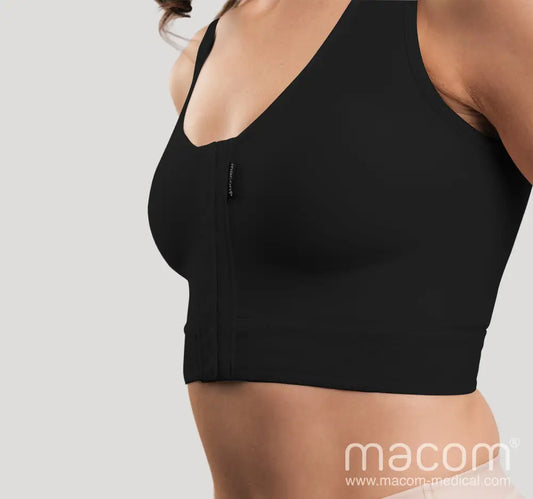
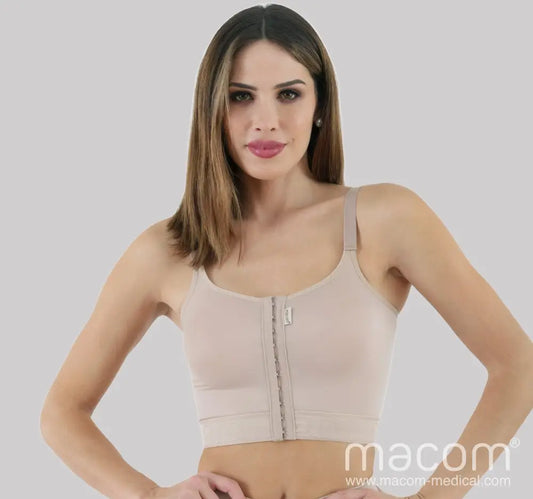
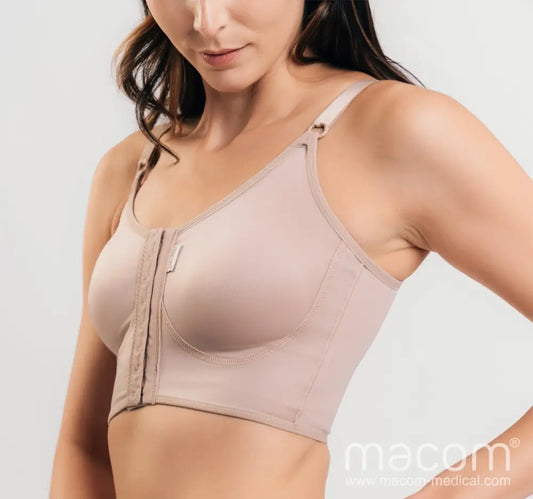
Compression is part of most liposuction aftercare. A medical compression garment is supportive clothing made with elastic fibres that apply steady pressure to a treated area. That pressure can help manage swelling, support comfort and reduce rubbing as you move.
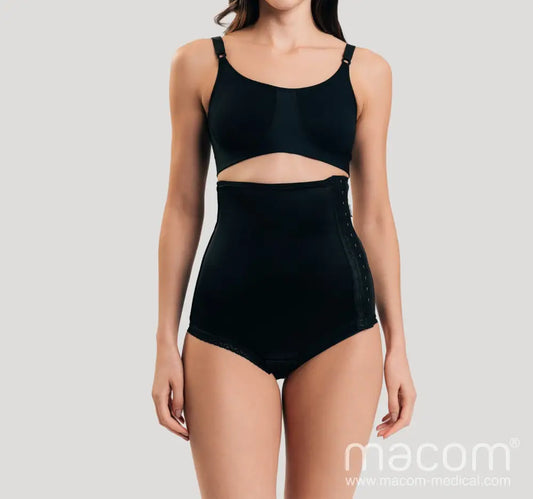
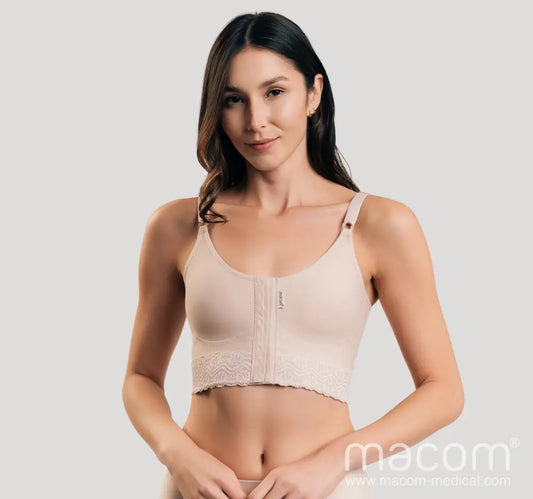
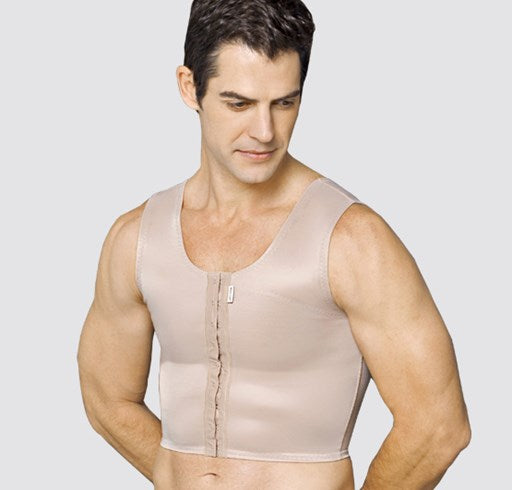
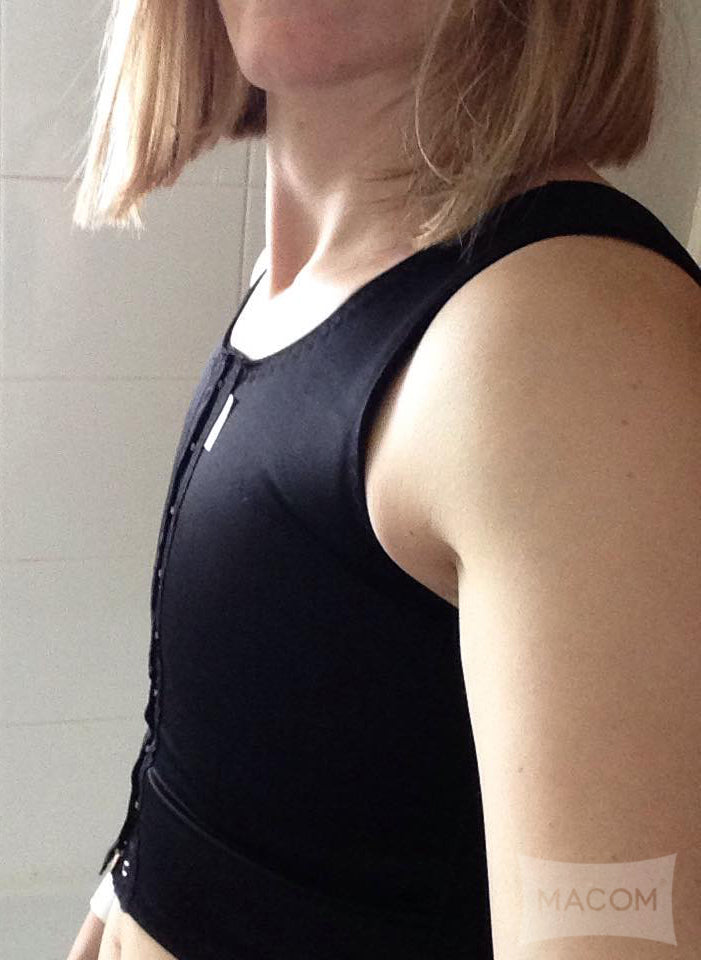
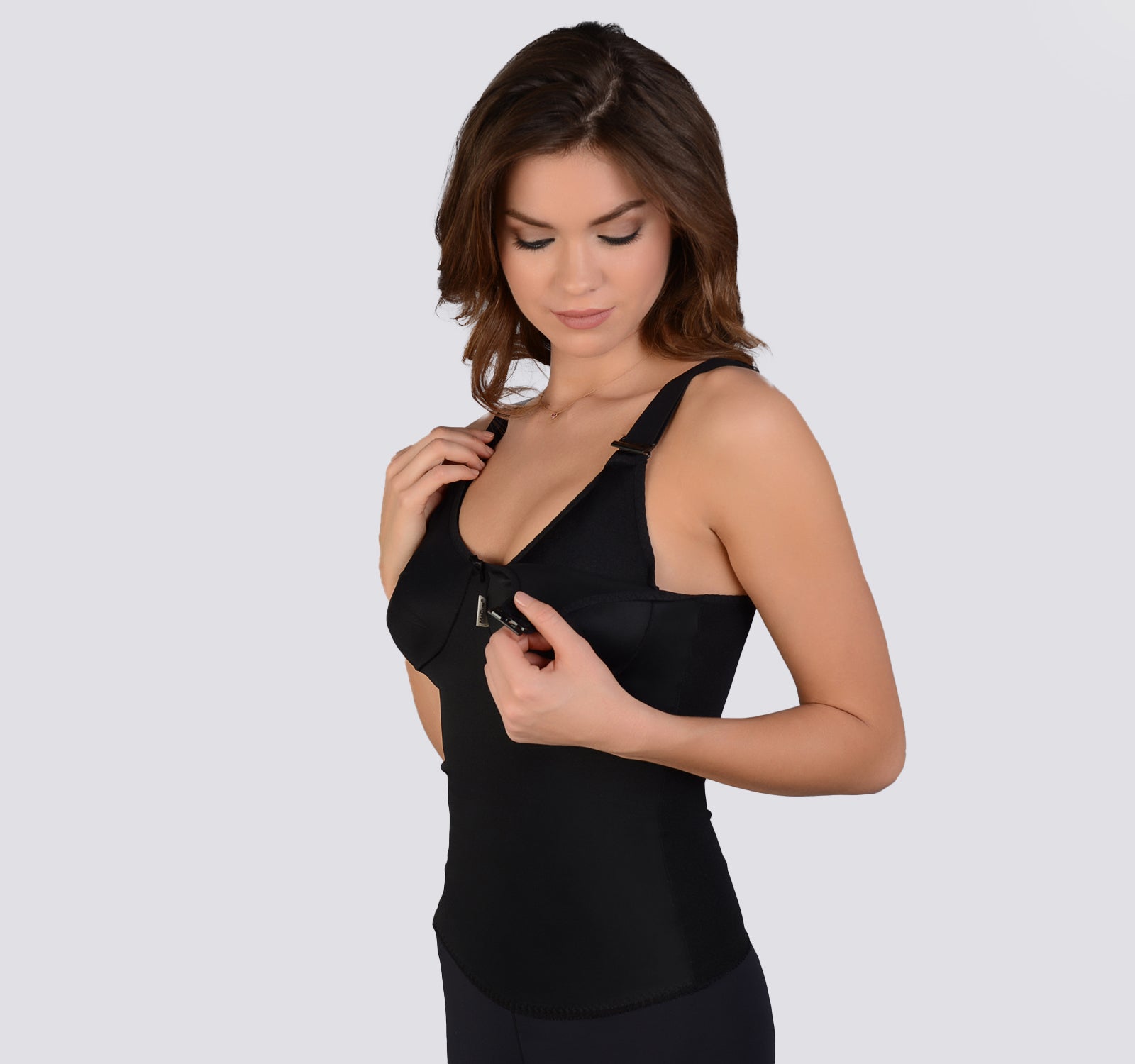
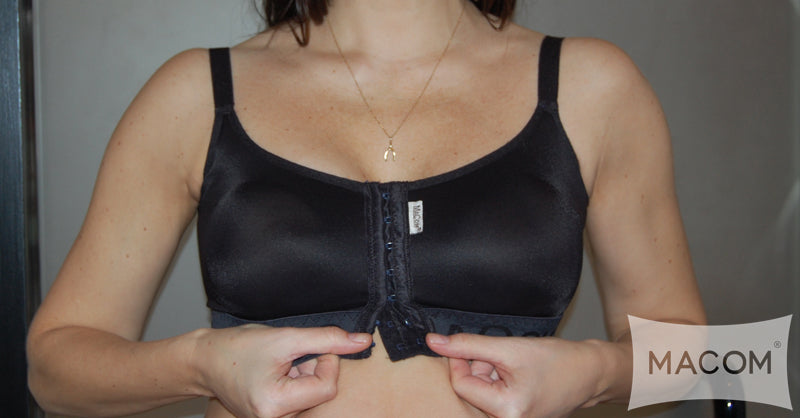
Many people can wear Stage 1 liposuction compression garments during gentle and light activities. Stage 1 garments are designed for the early phase, when you wear compression for long hours. Typical options include compression leggings, compression vests and girdles, as well as bodysuits with or without sleeves and/or shorts.
Keep the garment smooth so it does not crease, aim for snug support without numbness and keep garments clean and dry. macom® stocks a range of post liposuction compression garments designed to target specific areas. Your surgical team will tell you when to reduce wear time or move to a firmer stage.
For a broader view of what to expect, read our Liposuction Recovery Guide.
Diet and hydration
Healing takes fuel and protein supports tissue repair. Carbohydrates provide energy for walking and daily movement. A balanced diet with lean protein, slow-release carbs, fruit and vegetables and healthy fats supports both healing and a gradual return to exercise.
Hydration matters for swelling and for activity. Spread water intake across the day and increase fluids as you start to sweat more. If your appetite is low, an electrolyte drink can help.
Alcohol can increase swelling and disrupt sleep, and some pain relief medicines can cause constipation, so fibre, fluids and gentle walking are useful.
Post liposuction recovery timeline and activities
First week: gentle activities
Short walks several times a day, deep breathing, and mild stretches that do not pull on treated areas.
Weeks 1 to 3: light activities
Longer walks, plus one gentle option like yin yoga, beginner Pilates, or easy cycling.
Weeks 4 to 6: medium activities
Low-impact cardio and light strength training if cleared, starting below your normal intensity.
Week 7 onwards: full activities
A gradual return to your usual routine, while staying alert to swelling and discomfort.
FAQs
Can I walk on a treadmill after liposuction?
Often yes. Start flat and slow, keep it short and use the rails if you feel unsteady. Outdoor walking works just as well.
What is the best exercise after liposuction?
Walking is usually the best exercise after liposuction in the early weeks. Later, low-impact cardio and light strength training can be added as you recover and your surgeon clears you.
When can I lift weights after liposuction?
Many people begin light weights around weeks 4 to 6, then build towards heavier lifting from weeks 6 to 8 onwards, after medical clearance. Start lighter than you think you need and build up steadily.
References
- Merits of exercise therapy before and after major surgery - PMC
- Glossary | The British Association of Aesthetic Plastic Surgeons
- Move for Your Vascular Health: How Physical Activity Keeps Your Circulation Strong This Heart Month :: York Hospital
- Liposuction induces a compensatory increase of visceral fat which is effectively counteracted by physical activity: a randomized trial - PubMed
Resources
Explore these useful guides and resources to learn more: