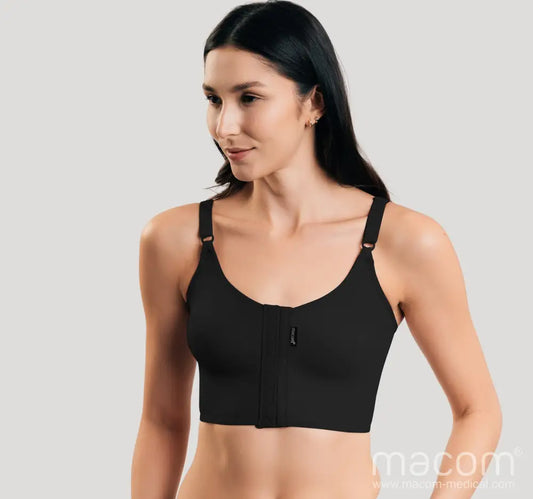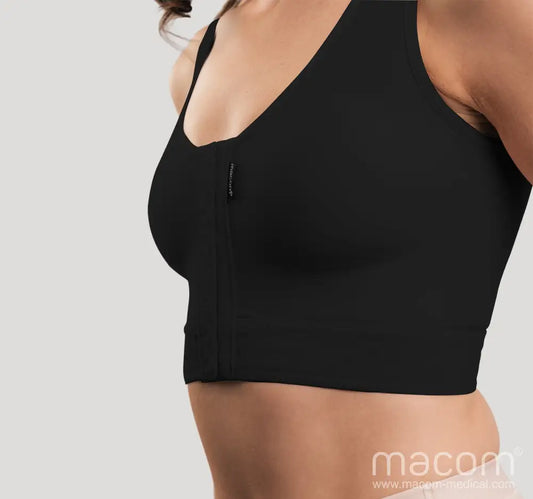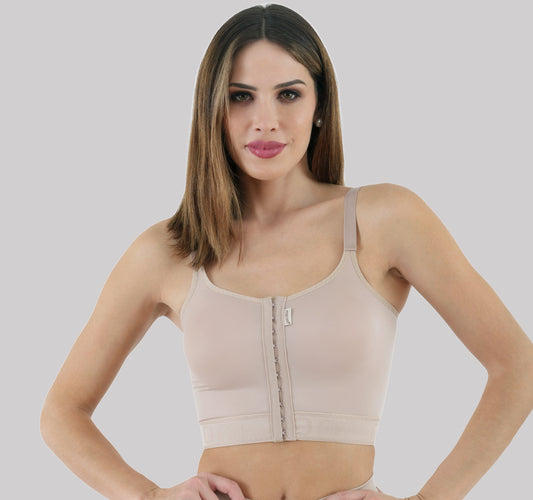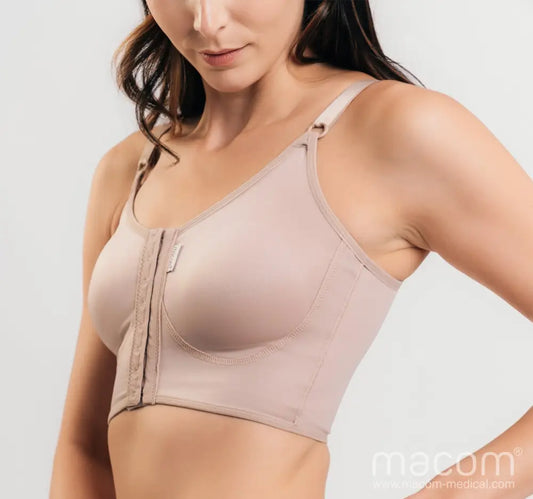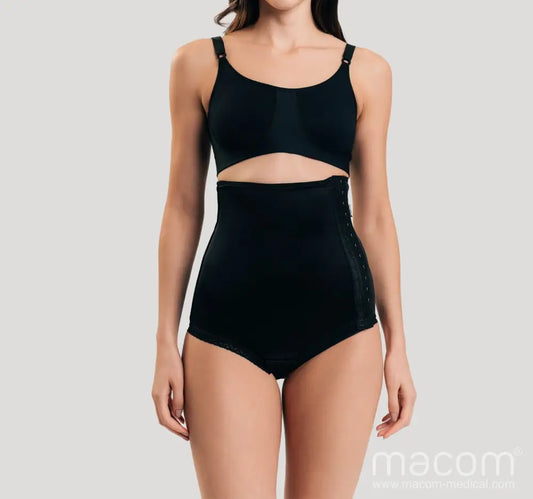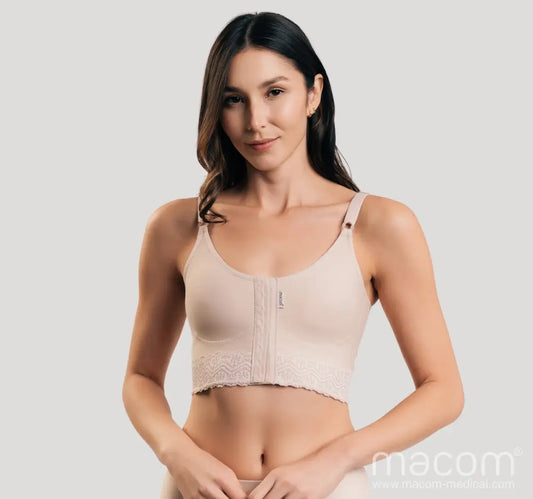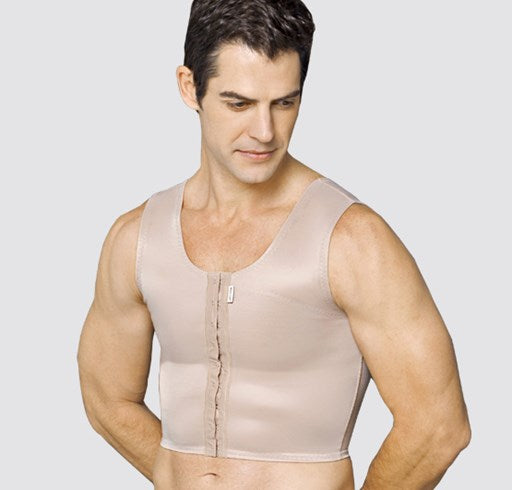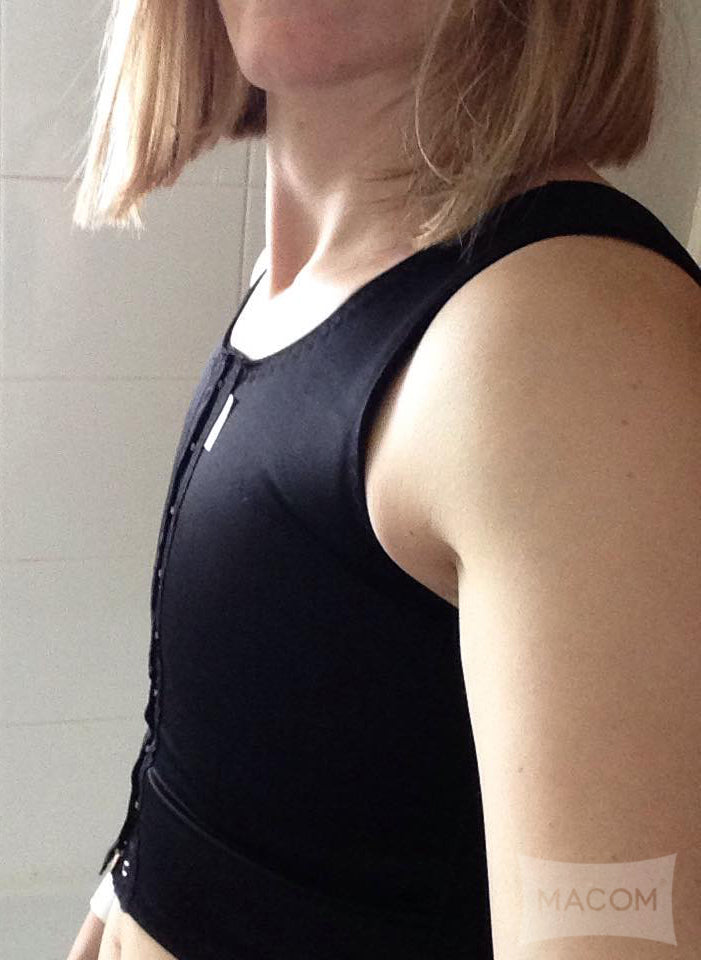


The second-hand market is thriving, and for everyday sustainable fashion, it’s a brilliant way to shop. But when it comes to your surgical recovery, cutting corners with a second-hand post surgical compression garment can severely compromise your healing.
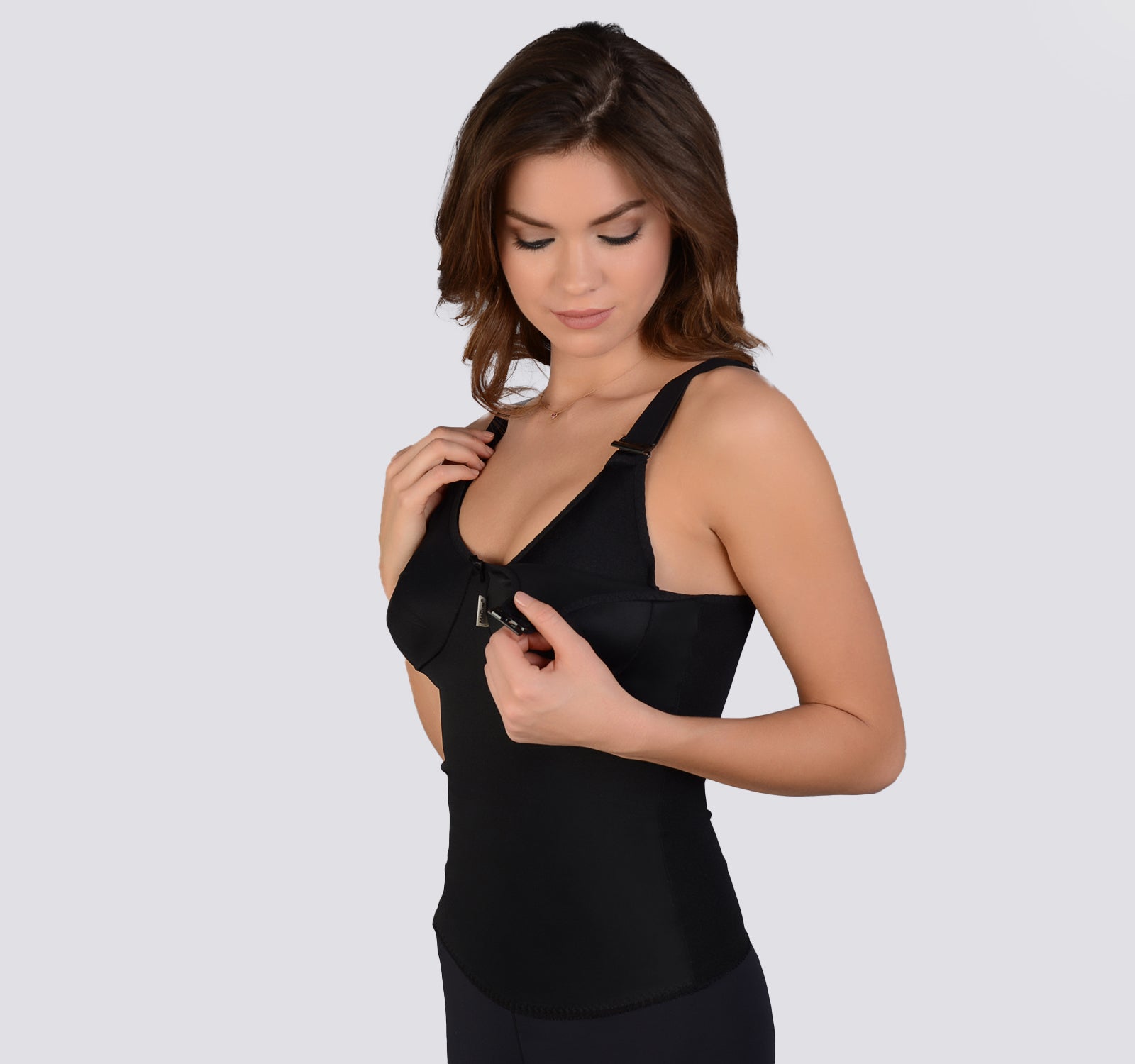
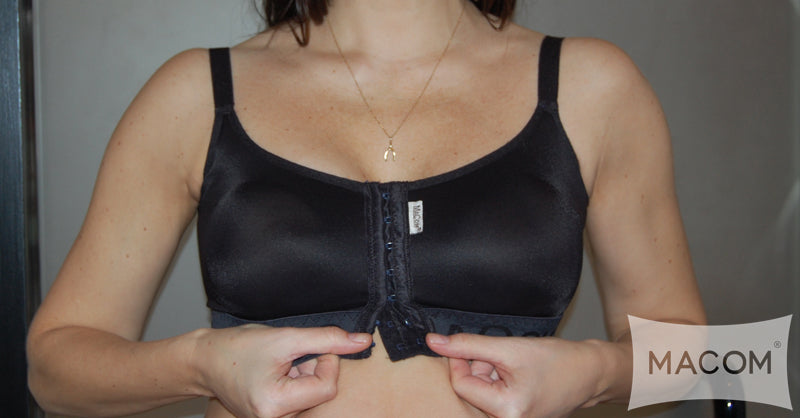
Post-surgery compression garments, such as specialised recovery bras and compression bodysuits, are far more than just tight clothing. They are medical garments meticulously engineered to manage post-operative swelling, prevent fluid build-up (seromas), and stabilise vulnerable tissue after procedures like a breast augmentation, liposuction, or a tummy tuck. Because they sit directly against fresh incisions, they function essentially as medical-grade lingerie.
While the budget-friendly appeal of a second-hand market is understandable, the medical risks far outweigh the savings. Here is what you need to know to protect your body and secure your surgical investment.
The Pros of Second-Hand? (A Costly Misconception)
The only true "pro" of browsing the pre-owned market is a lower upfront price tag. However, clinical recovery standards dictate that the only safe post-surgical compression garments are brand-new, unworn ones.
When you purchase a new, authentic macom® garment, you are investing in a guaranteed, calibrated baseline: medical-grade hygiene, intact double-skinned fabric elasticity, and a predictable pressure profile. A second-hand post surgery garment strips away these guarantees, turning an essential recovery tool into an unpredictable health gamble.
The Deep Dive Into The Cons Of Pre-Owned Recovery Compression Garments
1. Invisible Elastic Fatigue (The "Hysteresis" Effect)
Effective stage 1 compression relies on a very specific, graduated pressure profile to promote lymphatic drainage. Over time, high-performance elastane and polymer fibres experience a mechanical phenomenon known as hysteresis—where repeated stretching and wearing permanently degrades the fabric’s ability to snap back.
- The Science: Studies published in medical textile journals show that compression materials experience significant pressure decay after repeated extension and wear cycles. A garment can lose a portion of its structural recovery after just 25 to 50 washes.
- The Consequence: A pre-worn post-surgery bra might look flawless on a resale app, but its internal structural fibres can be fatigued. If the compression levels drop below the therapeutic threshold, the garment fails to eliminate dead space. This leads to prolonged post-operative oedema (swelling) or the formation of painful fluid pockets (seromas) that might need medical attention to treat.
2. Chemical and Heat Damage from Previous Laundering
Medical-grade compression garments require highly specific maintenance to protect their performance yarns: cool water, mild soap, no bleach, no fabric conditioner, and absolutely no tumble drying.
- The Science: Textile research indicates that standard commercial laundry detergents and high-heat drying degrade the elastic integrity of engineered elastane by up to 25% in as few as five cycles. Furthermore, fabric softeners chemically coat the technical yarns, permanently stripping their tensile strength.
- The Consequence: A second-hand liposuction girdle or body suit that has been tossed into a hot tumble dryer by its previous owner is functionally broken. The damaged fabric will stretch out unevenly, creating gaps where fluids can pool, or forming tight, distorted ridges that can cause permanent skin indentations and adverse hypertrophic (raised) scarring.
3. Serious Hygiene & Biological Risks: Cross Infection
Medical support wear is worn 24/7 immediately following an operation. It comes into direct, prolonged contact with fresh incisions, surgical glue, weeping wounds, and bodily fluids.
- The Science: While microorganisms naturally inhabit human skin, fresh surgical wounds are highly vulnerable to cross-contamination. Deep within the tight knit of high-denier technical fabrics, residual bacteria, fungal spores, and microscopic skin cells become deeply embedded. Standard domestic washing machine cycles do not sterilise these materials.
- The Consequence: Wearing someone else's biological residue directly over healing incisions drastically elevates the risk of a surgical wound infection. This bacterial transfer can delay your recovery trajectory by weeks and introduce deep-tissue complications that threaten your final aesthetic outcomes.
4. The "Moulded" Fit Problem
Premium medical garments are uniquely designed to adapt and mould to the user’s body shape while providing uniform support. This ‘custom fit’ ensures targeted support during surgery recovery. A second-hand garment has already permanently adapted to the unique skeletal structure, fat distribution, and swelling patterns of its original owner. When you wear it, it will not apply the uniform, even pressure your specific anatomy requires, increasing the likelihood of fabric bunching, rolling, and localized skin irritation.
Choosing The Right Post-Surgery Compression Garment
First, consult your surgeon or medical team to find out exactly which post-operative compression garments you will need. You will likely require both 1st and 2nd stage compression garments, as well as multiple sets so you can wash them easily throughout your recovery. To find the right fit, you can browse our post surgery compression garments by procedure. We offer medical-grade, hypoallergenic garments designed to keep you comfortable and supported after your surgery.